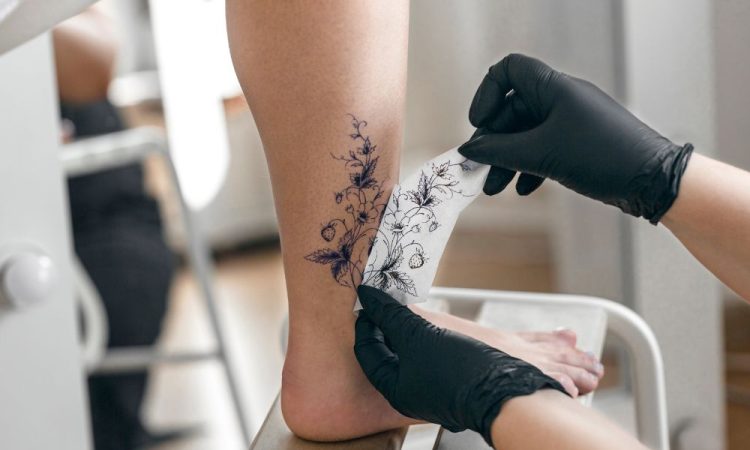
Tattooing has evolved far beyond a hobby — it is now a respected art form that blends creativity, precision, and professional skill. For anyone looking to turn a passion for body art into a career, a fine line tattoo course provides the perfect foundation. This course is designed to equip aspiring artists with the technical knowledge, artistic expertise, and confidence needed to succeed in the tattoo industry.
In this article, we explore how a fine line tattoo course can elevate your skills, the benefits it offers for artistic and professional development, the importance of infection control, and the role of government regulations in safe tattooing. We’ve also included practical YouTube resources for visual learners.
What Is a Fine Line Tattoo Course?
A fine line tattoo course focuses on precision and intricate designs, allowing artists to create detailed work such as scripts, botanical illustrations, minimalist tattoos, and small-scale custom pieces. Unlike broader tattooing courses, this program is specialised, helping artists refine their technique and develop a unique style.
Key aspects of a fine line tattoo course include:
- Flexible learning – Often delivered online or in blended formats to fit around other commitments.
- Duration – Typically 10–15 weeks, with access to resources for continued practice.
- Practical kit included – Provides essential tools to begin practising safely and effectively.
- Skill-focused curriculum – Designed to teach both artistic principles and professional standards.
Completing a fine line tattoo course not only sharpens technical skills but also lays the groundwork for a professional career in tattooing.
Artistic and Technical Skills You Will Gain
The core of a fine line tattoo course lies in developing both creative and technical ability. From understanding skin anatomy to mastering sanitation procedures, the training ensures artists are fully prepared for real-world practice.
Artistic Skills
- Mastering fine line techniques – Learning to produce clean, precise lines for intricate designs.
- Understanding body contours – Gaining knowledge of how the body’s curves affect tattoo placement.
- Design mapping and planning – Learning to visualise and sketch designs that complement individual clients.
- Tool and machine mastery – Knowledge of different needle types, machines, and their applications.
Professional Practices
- Infection control – Critical for working safely and legally within the tattoo industry.
- Sanitation and workspace management – Maintaining a sterile environment to prevent infections.
- Client consultation and aftercare – Providing professional guidance for optimal results.
- Professional ethics and communication – Establishing trust and confidence with clients.
These skills are essential for those wanting to work independently, in tattoo studios, or as part of broader beauty and body art services.
The Importance of Infection Control
Tattooing involves penetrating the skin, making infection control not just good practice, but often a legal requirement. Completing recognised infection prevention training, such as HLTINF005 – Maintain Infection Prevention for Skin Penetration Treatments, is crucial. This ensures safe tattooing practices and protects both the artist and the client.
Government regulations in Australia support this requirement. For instance, in Queensland, obtaining a tattoo operator licence requires completion of a recognised infection control course. (Queensland Government – Tattoo Operator Licence)
By combining a fine line tattoo course with infection control training, aspiring artists gain credibility and ensure they are meeting industry standards and legal requirements.
How to Get Started in Your Tattoo Journey
Starting a career in tattooing can feel overwhelming, but a structured fine line tattoo course makes the process clear and achievable.
- Research and choose a course – Ensure it offers comprehensive coverage of artistic techniques, tools, and safety practices.
- Enrol and access materials – Begin with foundational modules and work at your own pace.
- Practice consistently – Apply techniques on practice skins or supervised settings to refine skills.
- Complete assessments – Demonstrate mastery of both artistic and professional competencies.
- Obtain certification – Gain a recognised certificate that validates your training and qualifies you for licensing where required.
The flexibility of many courses allows you to balance learning with other commitments while receiving support from experienced trainers.
Learn Visually: Fine Line Tattoo Techniques on YouTube
Visual learning is invaluable when mastering a fine line tattoo course. Observing professional artists in action helps students understand machine control, line work, and shading techniques.
Here are two highly recommended videos that demonstrate essential fine line tattooing skills:
Beginner to Pro Fine Line Tattoo Guide
These videos showcase practical approaches to thin lines, precision, and client-friendly methods — perfect for supplementing course-based learning.
Career Opportunities After Completing the Course
Completing a fine line tattoo course opens doors to a variety of career paths:
- Independent Tattoo Artist – Set up your own studio or freelance at events.
- Tattoo Studio Artist – Join a professional studio specialising in custom tattoos.
- Cosmetic Tattooing – Apply fine line skills in eyebrow, eyeliner, or lip tattoo services.
- Art & Design Collaboration – Work with fashion, media, or marketing using tattoo-inspired designs.
With proper certification and infection control training, artists not only gain technical competence but also confidence in complying with government regulations.
Conclusion: From Hobbyist to Professional
A fine line tattoo course offers a structured, practical pathway for turning a passion for tattooing into a professional career. By combining artistic development, technical mastery, safety training, and understanding regulatory compliance, aspiring artists are prepared to excel in this growing industry.
Pairing your training with infection control certification ensures legal compliance, protects clients, and enhances your reputation. With practice, persistence, and a commitment to excellence, what starts as a hobby can become a rewarding professional journey.
Whether your goal is to specialise in minimalist tattoos, botanical designs, or intricate linework, this course lays the foundation for a successful and creative career in tattooing.